






IVF the next step on your fertility journey?
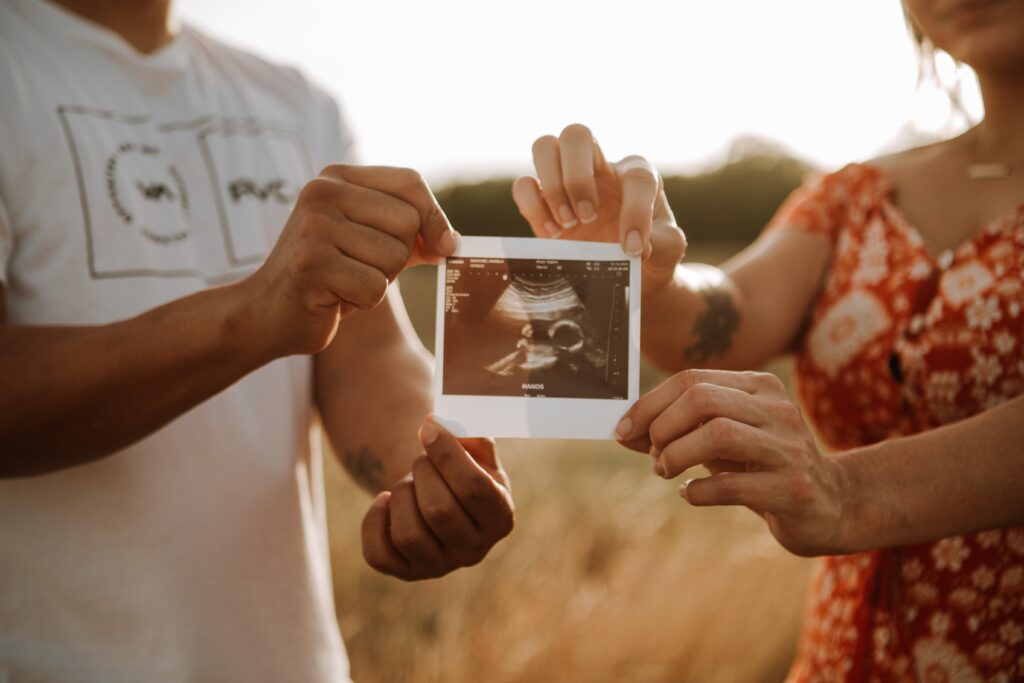
If you’re preparing for IVF, you’re not alone in feeling that strange mix of hope and overwhelm. Infertility affects about 1 in 6 Australian couples trying to conceive, and similar figures are seen worldwide, which means many women are walking a very similar path to yours. (Health Direct) (WHO)
At the same time, IVF is now a very real part of how families are created in Australia. Recent registry data suggest that around one in every 16 babies born in Australia is conceived through IVF, with roughly 20,000 IVF-conceived babies born each year (IVF Stats Aus & NZ). Behind every one of those numbers is someone like you – showing up to appointments, riding out the two-week wait, and quietly carrying so much hope.
Most women I work with describe IVF as excitement tucked inside a lot of pressure – because when you’re investing your heart, energy, and thousands of dollars into a cycle, it’s completely natural to want to do everything in your control.
I still remember sitting across from one client, let’s call her Sarah, who whispered, “I just want to know I’m giving myself the best chance.”
And truly, that’s what IVF prep nutrition is about. Not perfection. Not restriction. Just giving your body the calm, steady support it needs to produce the healthiest eggs possible. The beautiful news is that the 90 days leading into your cycle are a powerful window where your food, lifestyle, and stress care can gently shift the environment your eggs are developing in, and that’s where we’re going to focus in this guide.
The 90-Day Window: Why IVF Prep Matters
Egg development has a final growth phase of 90–120 days before ovulation. This means your nutrition and lifestyle in the three months leading up to IVF directly shape:
- Egg quality
- Hormone balance
- Inflammatory load
- The environment your eggs mature in
Even small, consistent changes create meaningful shifts. Below we will run through the most helpful parts of nutrition as you embark on this journey.
1. Build Your IVF Prep Foundation: The Mediterranean Fertility Pattern
Research consistently shows that a Mediterranean-style pattern is the gold-standard for fertility and IVF outcomes.
It includes:
- Colourful vegetables and leafy greens
- Legumes, beans, wholegrains
- Extra virgin olive oil
- Seafood 2–3×/week
- Nuts and seeds
- Lean proteins like fish, chicken, eggs, yogurt
Benefits found in research include:
- Improved ovulation
- Reduced inflammation
- Better sperm and egg quality (helpful for partner too!)
- Increased IVF success rates
2. Nutrients That Actively Support Egg Quality
Your uploaded guides highlight several key categories that directly influence egg development:
Antioxidants: Your Egg’s “Rust-Proofing” System
Antioxidant-rich foods protect eggs from oxidative stress, one of the biggest drivers of reduced egg quality.
Include:
- Berries
- Dark chocolate (70%+)
- Leafy greens
- Colourful vegetables
- Nuts and seeds
Mitochondrial Support
Mitochondria power your egg cells and determine how resilient they are.
Include:
- Wholegrains
- Lean proteins
- CoQ10-rich foods (meat, fish)
- Nuts and seeds
Omega-3s for Inflammation & Hormones
Omega-3s help reduce inflammation in the follicular fluid and support hormone communication.
Include:
- Salmon
- Sardines
- Chia seeds
- Flax
- Walnuts
Vitamin D, Zinc & Iodine
Crucial for hormone function, ovulation, and egg cell development.
Include:
- Eggs
- Seafood
- Iodised salt
- Pumpkins seeds and legumes (zinc)
3. Protein: The Most Underrated IVF Prep Essential
Aim for ~100 g protein per day to support:
- Hormone production
- Satiety
- Blood sugar stability (critical during stimulation)
- Muscle recovery
Good options: eggs, Greek yogurt, tofu, legumes, chicken, fish, tempeh.
4. Lifestyle Foundations That Influence IVF Outcomes
Stress Care
Chronic stress impacts hormone signalling and ovarian function.
Support tools include:
- Breathwork or meditation
- Journalling
- Slow morning routines
Sleep
Aim for 7–9 hours nightly.
Poor sleep elevates cortisol and disrupts reproductive hormones.
Movement
Gentle, consistent movement (walking, Pilates, yoga) supports circulation and hormone regulation.
Avoid high-intensity exercise during stimulation.
5. What to Prioritise During Stimulation
During the 10–14 days on injections, your body has new demands.
Your Egg Collection Guide recommends:
- Balanced meals with protein + fibre + healthy fats
- Hydration + electrolytes
- Modest caffeine (<200 mg/day)
- Salty snacks (especially pre-collection)
- Avoid high-impact exercise once ovaries feel heavy
6. Post-Collection Recovery Nutrition
The first 24–72 hours after egg collection are about gentle recovery:
- Small frequent sips of fluids
- Protein-rich snacks (Greek yogurt, smoothies, eggs)
- Electrolytes if advised by your clinic
- Light walking and heat packs for cramping
7. Realistic 7-Day IVF Prep Meal Inspiration
Using your Fertility Meal Guide recipes, here are examples of balanced IVF-friendly meals:
Breakfasts
- Avocado toast with poached eggs
- Raspberry protein overnight oats
- Banana chocolate protein smoothie
Lunches
- Chicken pomegranate quinoa bowl
- Tuna salad plate with avocado
- Chicken & lettuce wrap
Dinners
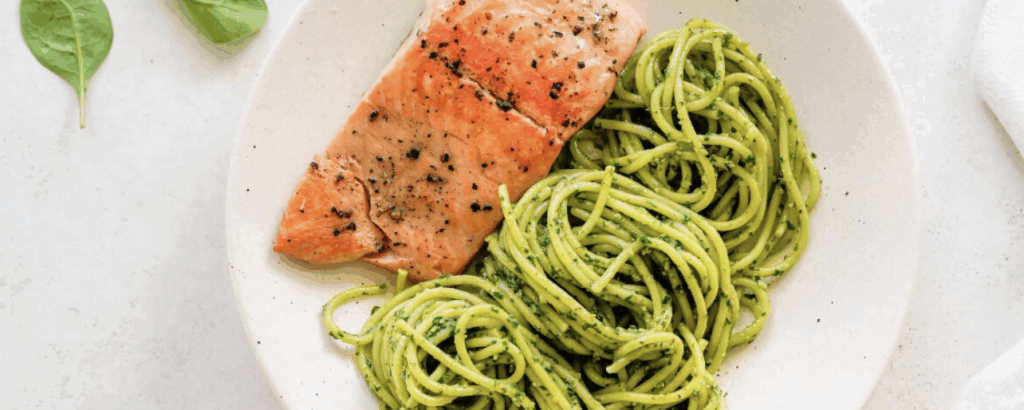
- Salmon, asparagus & pesto pasta
- Chicken & sweet potato quinoa bowls
- Beef taco rice bowls
These meals naturally tick the boxes for antioxidants, omega-3s, fibre, protein, and slow carbohydrates.
The Emotional Side: You’re Not Doing This Alone
Fertility treatment can feel like a full-time job—appointments, instructions, injections, waiting, hoping.
But nourishment can be the part that feels grounding.
A way to say to yourself, “I am supporting my body. I’m doing what I can.”
This process is not about perfection.
It’s about steady, supported, compassionate progress.
FAQs
1. How early should I begin IVF prep nutrition?
Ideally 8–12 weeks before stimulation for egg quality support.
2. Can diet really influence IVF results?
Yes—research shows improvements in egg quality, hormone regulation, and overall IVF outcomes with targeted nutrition.
3. What if I have PCOS?
The Mediterranean pattern supports blood sugar balance and inflammation—helpful for PCOS and IVF prep.
4. Should my partner also change their diet?
Yes—male factor is involved in ~50% of fertility challenges, and sperm quality responds to diet within 72–90 days.
Disclaimer
This blog is for general education only and does not replace personalised medical or nutrition advice. Always speak with your fertility specialist or dietitian for individual guidance.
Ready for the next step to support your IVF journey?
Book a call now to explore services and make a personalised nutrition and supplement plan to set you up for success ( Nutrition is by far the most underutilised and powerful resource in your IVF tool kit)
www.madisonshaenutrition.com/book-now






https://shorturl.fm/RaFBE