




The Male Fertility Crisis: Why Sperm Counts Are Falling & How to Boost Sperm Quality
November 11, 2025



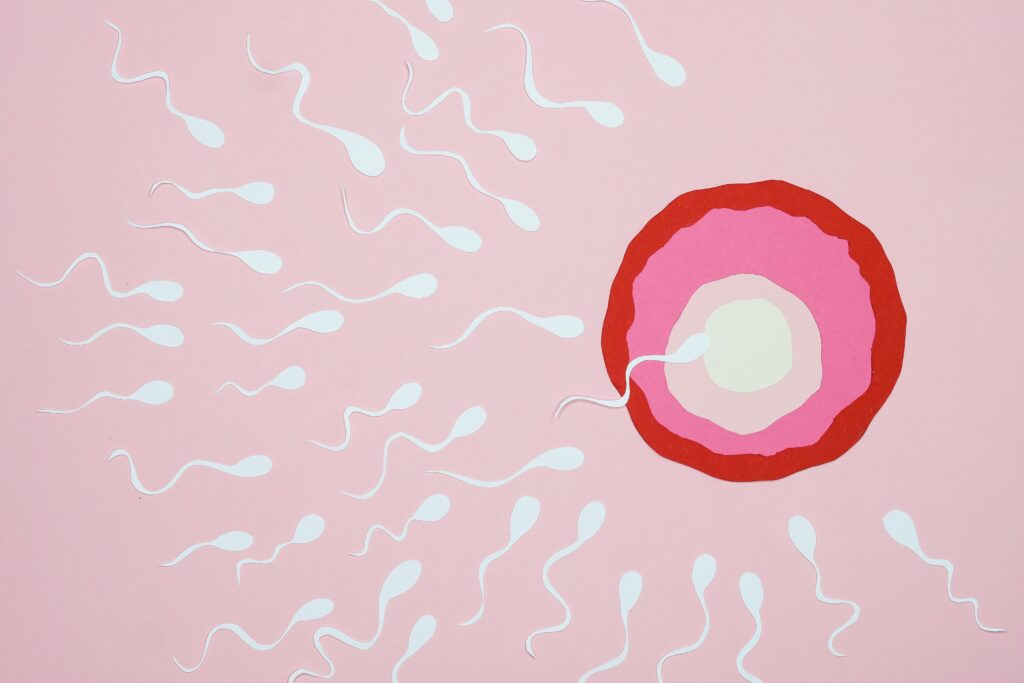
The Overlooked Half of the Fertility Equation
When couples struggle to conceive, the focus often falls almost entirely on the woman. But science tells a different story. Male factors contribute to up to 50% of infertility cases, either on their own or combined with female factors.
We are currently facing a silent crisis — male fertility is declining worldwide. Studies show that sperm health, count, and sperm quality have dropped dramatically over the past few decades, making male fertility decline one of the most urgent yet overlooked contributors to infertility today.
The Alarming Facts: What’s Driving the Global Male Fertility Decline
Research over the last few decades points to a significant drop in key male fertility parameters:
Global Sperm Count Decline
Studies have confirmed a substantial worldwide decline in total sperm counts and concentration over the last 40 years, with average counts dropping by more than 50%.
Quality Over Quantity
Healthy sperm are defined by more than just numbers — they need the right motility (the ability to swim), concentration (sufficient quantity), and morphology (proper shape and structure).
Understanding Sperm Morphology: Why 4% Is Now Considered “Normal”
When people first hear that normal sperm morphology is only 4%, it can sound alarming — like 96% of sperm are “abnormal.” But here’s what that number actually means.
Sperm morphology refers to the shape and structure of each sperm, including the head, midpiece, and tail. For sperm to be classified as normal, all of these features must meet very strict laboratory criteria.
Under the World Health Organization’s 5th Edition guidelines, a semen sample is considered normal if at least 4% of sperm have a normal shape. This doesn’t mean only 4% can fertilise an egg — it simply reflects the natural variation in sperm production, and it only takes one healthy sperm to achieve conception.
However, here’s the concerning trend:
- Earlier WHO editions (before 2010) used 14% as the normal reference.
- That threshold has since dropped to 4%, reflecting a significant decline in global sperm quality.
That 4% means:
- Out of every 100 sperm a man has, only 4 need to look and function normally to pass as “normal.”
- The other 96% can be misshapen or defective, and it still counts as a “normal” result.
This change doesn’t indicate a difference in lab methods, it’s a sign that men’s reproductive health is worsening. Diet, stress, toxins, and environmental exposures have all contributed to increased oxidative stress, which damages sperm shape and structure during development.
The positive news is that morphology is highly modifiable through nutrition. Nutrients such as zinc, selenium, omega-3 fatty acids, CoQ10, and antioxidants like vitamins C and E help protect developing sperm and improve their form and function over a 90-day cycle.
The DNA Risk: Oxidative Stress
Excess oxidative stress (OS) is the primary enemy of sperm health and quality, one of the key drivers behind male fertility decline. It damages the sperm’s cell membrane and compromises DNA integrity — a critical factor in unexplained infertility.
If the male partner’s semen analysis shows issues in count, motility, or morphology, nutritional intervention is essential.
3 Core Enemies Attacking Sperm Quality
Sperm health is highly sensitive to environment and lifestyle. Here are the three main areas where nutrition and lifestyle choices compromise quality:
1. The Metabolic Threat: Insulin and Weight
Systemic health is foundational. Paternal factors such as obesity, diabetes, and metabolic syndrome negatively impact semen quality and sperm DNA integrity.
The Connection: Poor metabolic health increases inflammation and oxidative stress throughout the body, directly damaging developing sperm cells.
The Solution: Addressing insulin resistance and achieving a healthy weight are among the most effective non-supplement interventions to improve sperm parameters.
2. The Free Radical Attack: Oxidative Stress
Sperm are particularly vulnerable to free radical damage because their cell membranes are rich in fatty acids.
The Damage: Oxidative stress acts like rust on these membranes, impairing movement (motility) and compromising genetic material.
The Solution: Prioritise antioxidant-rich foods and supplements such as selenium, vitamin C, vitamin E, zinc, and CoQ10 to neutralise free radicals and protect sperm during maturation.
3. The Nutritional Deficit: Missing Builders and Fuel
Spermatogenesis — the process of sperm creation takes around 74 days. If the body lacks key nutrients during this period, sperm will be poorly formed and underpowered.
The Builder: Zinc is essential for enzymes involved in sperm production and motility.
The Fuel: L-Carnitine helps transport energy to power the sperm’s tail (flagellum). Low motility often signals a deficiency in this nutrient.
The Builder-Protector: Omega-3 fatty acids support sperm membrane integrity and reduce inflammation.
Your Controllable Factor: The 90-Day Nutrition Strategy
The good news is that sperm health is incredibly responsive to positive change, but timing is everything. Since the sperm production cycle is 74 days, any dietary or supplement change must be maintained for at least three months to show improvement in semen quality.
To fight the decline, you need a strategy that goes beyond a generic multivitamin. It requires a targeted, evidence-based approach focusing on:
- Foundational Diet: Adopting an anti-inflammatory dietary pattern such as the Mediterranean Diet, linked to higher sperm count and motility.
- Metabolic Correction: Addressing insulin resistance and systemic inflammation through balanced blood sugar and nutrient-dense meals.
- Targeted Supplementation: Using clinically supported doses of nutrients like L-Carnitine, CoQ10, and zinc to optimize motility, morphology, and DNA quality.
Want to understand how nutrition impacts egg quality too? Read my article on The Anti-Inflammatory Diet and Fertility Health for the female side of the story.
Ready to Ditch the Guesswork and Follow a Proven Fertility Strategy?
If you’re tired of conflicting advice and ready for a clear, actionable game plan to optimise your partner’s fertility and your own egg quality, then join my masterclass.
I’m Madison Sanford, Accredited Practising Dietitian, and in this 60-minute live masterclass, I share the exact science-based plan that delivers results.
Masterclass: Fertility Game Plan – Nutrition for Egg and Sperm Quality
In this masterclass, you’ll learn:
- The exact supplements and doses studied to boost sperm count and motility
- The meal timing and nutrient strategies that assist with hormonal health
- A full 90-day action plan for both partners to improve fertility outcomes
You’ll receive:
- The Fertility Game Plan Workbook
- The Two Week Wait Nutrition Bundle (including a 20-minute video and 14-recipe eBook)
- Access to the Replay (yours to keep), and if you attend live – Q & A with a Dietitian!
Click below to transform confusion into confidence and take the next step in your fertility journey.





https://shorturl.fm/I6E4R